
The question of whether scanning books to sell as PDF files is punishable is a concern for many people when doing business or sharing documents online. In reality, this is a copyright infringement and can be subject to penalties ranging from administrative to criminal depending on the severity of the violation, according to current laws. Let’s explore the details in the article “Is scanning books to sell as PDF files punishable?” below!
What is scanning books to sell as PDF files?
Scanning books to sell as PDF files is the act of converting the content of a physical book into a digital format (PDF) using devices such as scanners, phones, or specialized software, and then uploading this file to the internet for sale or distribution for a fee to many people.
More fully understood, this is not just a regular “document scanning” activity, but a process of digitizing and exploiting content for commercial purposes. The content of a book, including text, images, and layout, is the property of the author or publisher, but it is copied and redistributed without permission.
Typically, this practice involves several detailed steps:
Digitizing the book
The perpetrator uses tools such as specialized scanners, high-resolution camera phones, and scanning software (e.g., Adobe Scan, CamScanner) to photograph or scan individual pages of the book. These data are then combined into a complete PDF file, adjusted for layout, brightness, sharpness, and even OCR technology is used to convert images to text. The result is a PDF file with content almost identical to the original book, easily readable, copyable, and shareable.
Processing and finalizing the file
After creating the PDF file, the seller often compresses the file size for easier sending and downloading, adds watermarks or personal logos, renames the file, and categorizes it by subject or collection. In some cases, people even edit the cover or slightly alter the content to avoid detection of copyright infringement.
Commercial exploitation
This is the step that transforms the act of scanning into a money-making activity. The completed PDF files are then sold on various platforms such as: Facebook (posts, inbox, private groups), document sharing websites, e-commerce platforms like Shopee, and channels like Telegram, Zalo, and Google Drive.
The business models are quite diverse: selling individual books at low prices, selling book bundles, and charging for access to a “PDF library.”
Scanning books to sell PDF files is not simply a document format conversion; it’s a digitization process accompanied by commercial exploitation of copyrighted content. Understanding this concept helps you identify the boundary between legal use and legal infringement, thereby avoiding unnecessary risks during the business or sharing of documents.
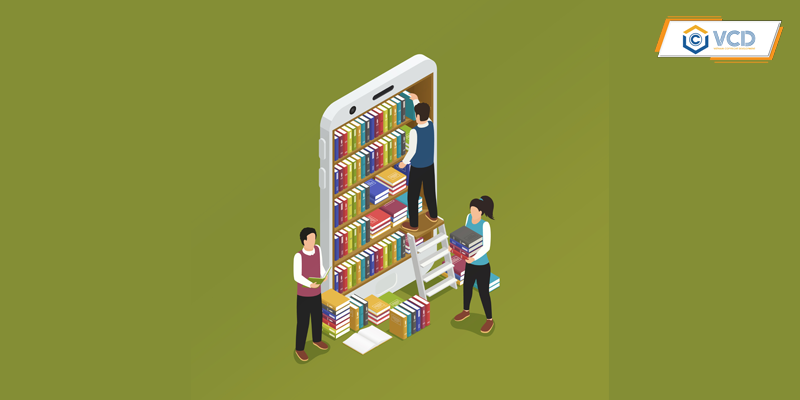
Is scanning books to sell PDF files punishable?
Scanning books to sell as PDF files can result in penalties, even severe sanctions depending on the severity of the violation. This is because it’s not simply “sharing documents,” but a direct infringement of copyright and related rights protected by law.
According to the Intellectual Property Law, authors and copyright owners have the exclusive right to copy, distribute, and commercially exploit their works. Therefore, scanning books and converting them into PDF files for sale without permission constitutes a violation of intellectual property rights.
Specifically, this behavior includes various forms of infringement such as:
- Copying the work (scanning, converting to PDF files) without the owner’s consent
- Distributing the work to the public through selling or sharing PDF files
- Unauthorized commercial exploitation of copyrighted content
In particular, uploading or sharing pirated PDF books on social media, Google Drive, websites, or other online platforms is also considered an act of communicating the work to the public – an exclusive property right of the copyright owner.
Therefore, unauthorized scanning, distribution, or trading of PDF book files can be prosecuted under current laws, depending on the nature and severity of the violation.
Penalties for scanning books to sell as PDF files
The act of scanning books to create PDF files and selling them illegally can be punished at various levels, depending on the nature and scale of the violation and the amount of illicit profit. According to Decree 17/2023/ND-CP, the penalties for book copyright infringement currently vary depending on the severity:
- Administrative penalties: Violators may be fined from 10 to 250 million VND, depending on the specific act and level of violation, such as illegally copying books, trading or distributing pirated books, translating/adapting works without permission, or posting/sharing works on the internet in violation of regulations.
- Remedial and supplementary measures: All infringing materials (including printed copies, PDF files, storage devices, etc.) may be confiscated, the infringing content must be removed from online platforms, and the illegally copied books or data must be destroyed.
- Civil liability: Copyright owners or publishers have the right to claim compensation for damages, ranging from a few million to hundreds of millions of VND depending on the actual damage. They can also demand the cessation of the infringing act and a public apology or correction if necessary.
- Criminal liability (in serious cases): According to Article 225 of the Penal Code, if the act of illegal printing, copying, or distribution is on a large scale or generates significant illicit profits, the violator may be fined from 50 to 300 million VND, or sentenced to non-custodial correctional labor up to a maximum of 3 years in prison, along with additional penalties as prescribed.
The above is an article titled ” Is scanning books to sell as PDF files punishable?”. Depending on the nature and scale of the violation, the perpetrator may face administrative penalties, be required to compensate for damages, or, more seriously, be prosecuted criminally. Therefore, respecting copyright and using materials legally is not only about complying with the law but also contributes to protecting the rights of authors and the publishing industry.
Sincerely,
FAQ
Yes. In cases of large-scale, commercial violations resulting in significant illicit gains, the violator may be prosecuted under the provisions of the Criminal Code.
Possibly. If the PDF file is an unauthorized copy and widely shared on the internet without the owner’s permission, this act may still be considered a copyright infringement, even without direct profit.